






The way customers find your Yorkshire business is changing faster than you might think. While you’ve been perfecting your Google rankings, a quiet revolution has been happening behind the scenes. AI-powered search tools like ChatGPT, Google’s AI Overviews, and Perplexity are fundamentally reshaping how potential customers discover local businesses.
Here’s the thing that might surprise you: 57% of search results now feature AI-generated answers, and your business might already be invisible to these new search methods without you even knowing it. We’re seeing Yorkshire businesses lose potential customers daily because their websites simply can’t be “seen” by AI crawlers.
The AI Search Revolution is Already Here
Let’s talk numbers for a moment. 34% of adults now use ChatGPT regularly – that’s roughly double the usage from 2023. Meanwhile, Google’s AI Overviews appear in 16% of all searches. For Yorkshire businesses, this isn’t some distant future trend we need to prepare for – it’s happening right now.
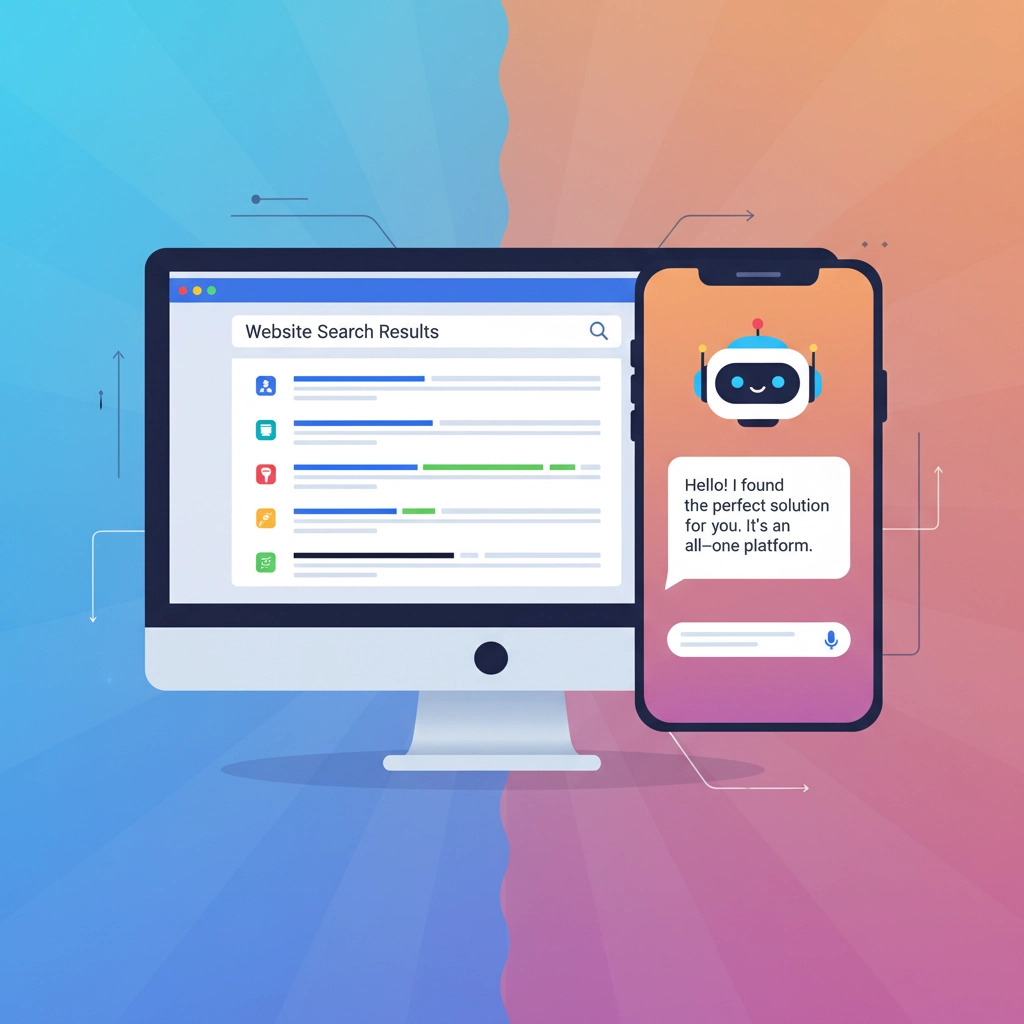
What makes this shift so significant is how differently AI search works compared to traditional Google searches. When someone searches for “best accountant in Skipton” using ChatGPT or Google’s AI, they’re not getting a list of websites to click through. Instead, they’re getting a comprehensive answer that pulls information from multiple sources to create one unified response.
This means your business information might reach potential customers through AI-generated responses, but they may never actually visit your website. It’s a completely different game, and the rules have changed.
Why Yorkshire Businesses Are Losing Visibility
We’ve been working with businesses across Yorkshire, and we’re seeing a consistent pattern. Many companies that rank well in traditional Google searches are practically invisible when it comes to AI-powered search results. The problem often comes down to technical issues that most business owners have never heard of.
The biggest culprit? JavaScript-injected structured data. If that sounds like technical jargon, don’t worry – you’re not alone. Many website platforms use this approach by default because it works fine for traditional search engines. But here’s where it gets problematic: AI crawlers often struggle to process JavaScript-based information.
Think of it like this: while Google can read your JavaScript-heavy website just fine, AI search engines might see it as a mostly blank page. Your opening hours, contact details, services, and location information – all the crucial stuff that local customers need – becomes invisible to these AI systems.
We’ve audited websites for businesses in Leeds, York, and Harrogate, and found that many are unknowingly operating with this handicap. While they’re visible in traditional search, they’re essentially ghosts in the AI search world.
The Technical Reality Behind AI Visibility
Let’s get practical about what’s happening under the hood of your website. When AI systems try to understand your business, they look for structured data – essentially code that tells them “this is the business name, this is the address, these are the opening hours.”
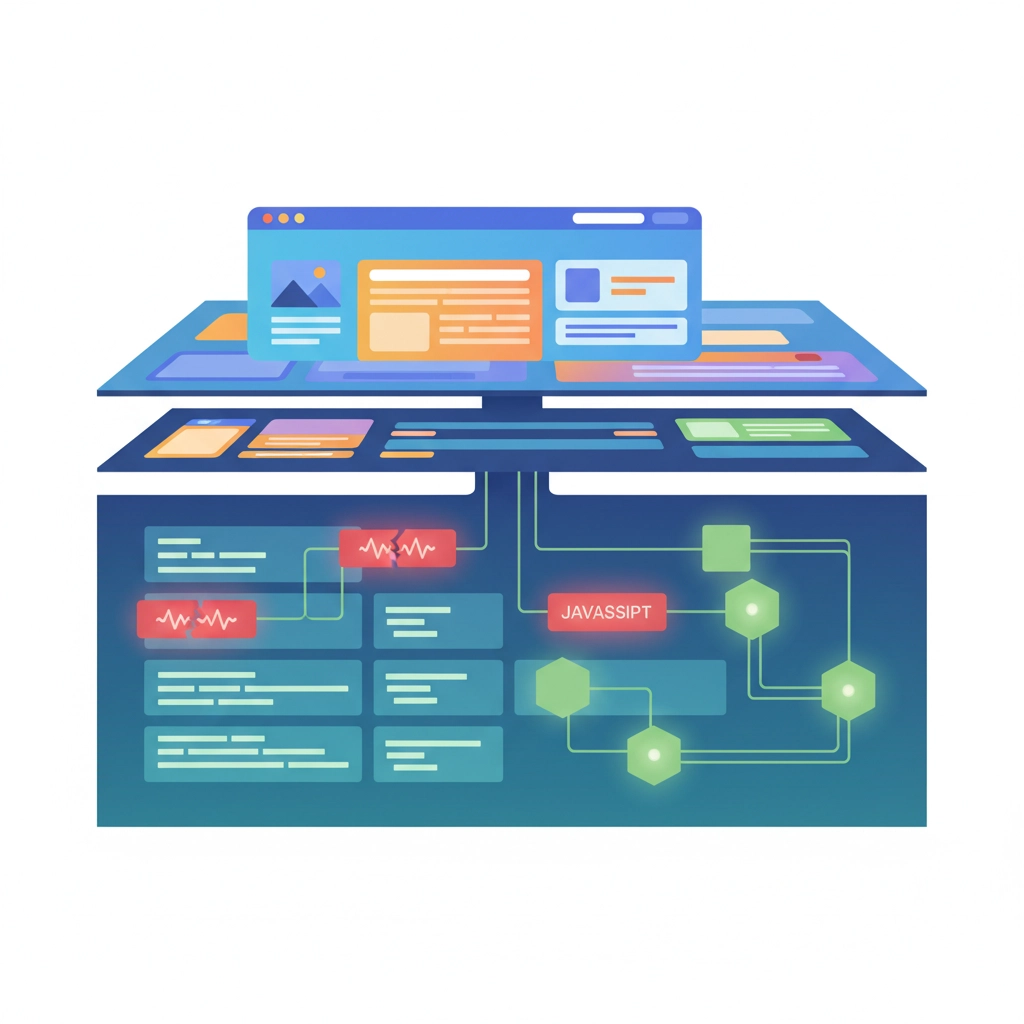
The problem arises when this structured data is added through JavaScript. Traditional search engines like Google are sophisticated enough to wait for JavaScript to load and then read the information. AI crawlers, however, often take a quicker snapshot of your page before JavaScript has fully loaded.
This creates a significant competitive disadvantage. While your competitor down the road might have a website that uses static HTML schema markup (the kind AI crawlers can easily read), your JavaScript-heavy site remains invisible to AI search systems.
For Yorkshire businesses competing in local markets, this technical difference can mean the difference between being recommended by AI systems or being completely overlooked.
What Success Looks Like in AI Search
Succeeding in AI-driven search requires thinking differently about content and technical setup. AI search engines favor comprehensive, authoritative content that directly answers user questions. They’re looking for depth, expertise, and clear information structure.
If you’re a Yorkshire business owner, this means creating content that addresses the specific questions your local customers are asking. Instead of generic service pages, you want detailed, helpful content that demonstrates your expertise and local knowledge.
For instance, if you’re running a plumbing business in York, don’t just list your services. Create detailed guides about common plumbing issues specific to older Yorkshire properties, explain seasonal maintenance for the local climate, and showcase your understanding of local regulations and requirements.
The technical side is equally important. Your website needs proper structured data that AI crawlers can easily process. This includes local business schema with your exact address, phone numbers, operating hours, and service areas clearly marked up in static HTML rather than JavaScript.
Beyond Your Website: The Broader Visibility Picture
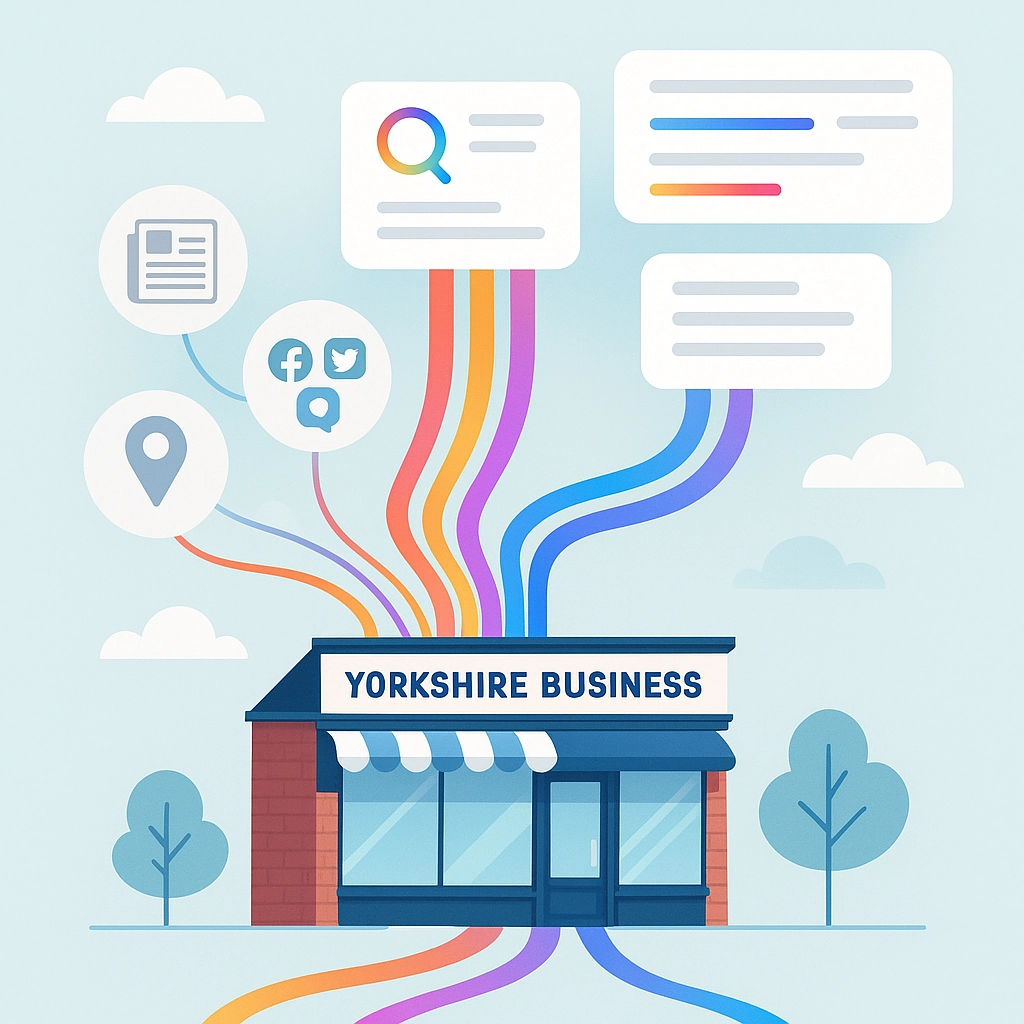
Here’s something that might change how you think about online visibility: AI answers don’t just pull from your website. They gather information from multiple sources across the web to create comprehensive responses. This means your business might be mentioned in AI search results even when your website doesn’t appear at all.
We’ve seen AI systems reference Yorkshire businesses based on mentions in local news articles, community forums, business directories, and social media posts. This expanded approach to information gathering means your visibility strategy needs to extend far beyond your own website.
Smart Yorkshire businesses are building relationships with local publications, participating in community discussions, and ensuring their business information appears consistently across trusted local platforms. When the Harrogate Advertiser or Yorkshire Post mentions your business, that content becomes part of your AI search footprint.
Monitoring Your AI Visibility
The challenge with AI search visibility is that it’s not as straightforward to monitor as traditional SEO rankings. You can’t simply check where you rank for specific keywords because AI systems don’t work with ranked lists – they create narrative responses.
Several specialized tools are emerging to help businesses track their AI visibility. These platforms monitor how often your business is cited by AI systems, track the sentiment of mentions, and help you understand how you’re being represented in AI-generated responses.
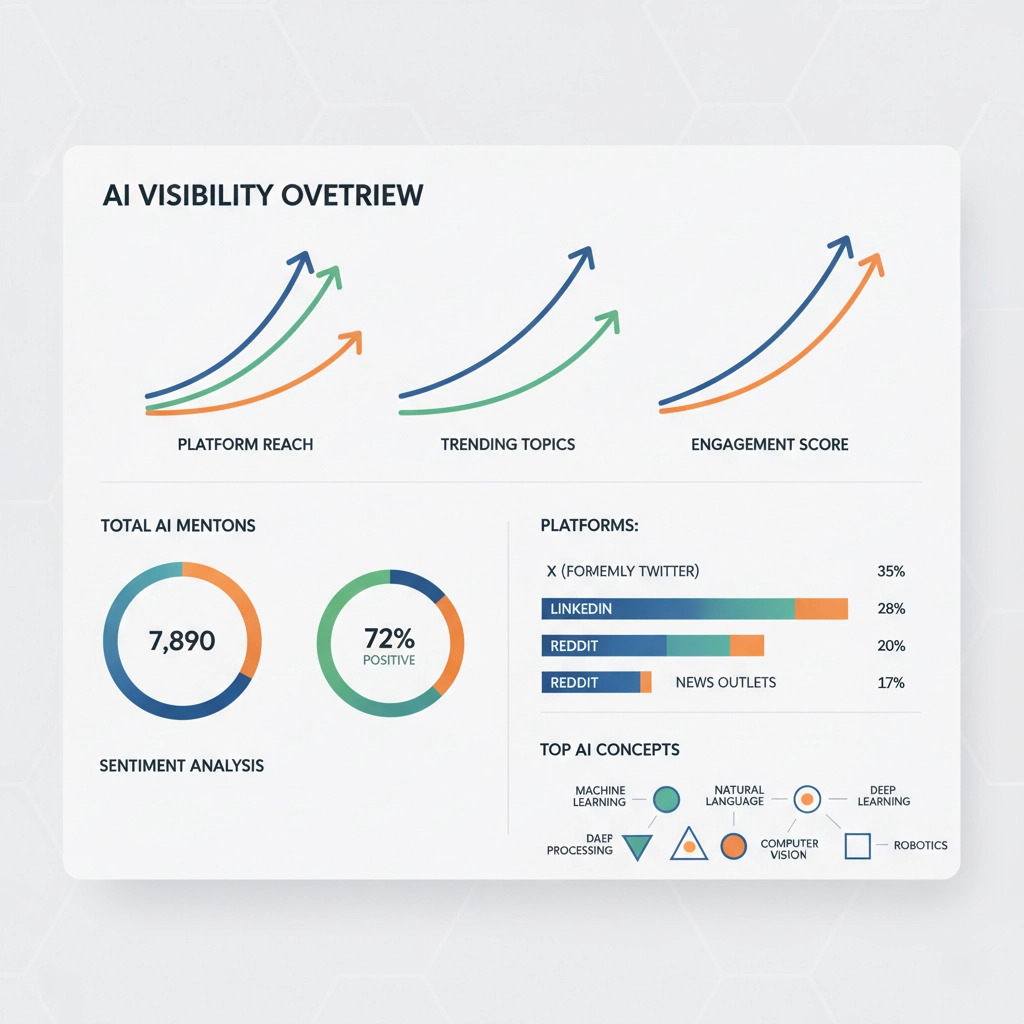
For Yorkshire businesses, this monitoring becomes crucial because local AI search behavior can vary significantly from national trends. Understanding how AI systems represent your business in local contexts helps you identify opportunities for improvement and potential issues with how you’re being described.
Taking Action: Your Next Steps
If you’re running a Yorkshire business and concerned about AI visibility, start with a technical audit of your current website. Check whether your structured data is implemented using static HTML schema or JavaScript injection. If you’re not sure how to do this, consider working with local web developers who understand the technical requirements for AI visibility.
Content-wise, focus on creating comprehensive, locally-relevant information that answers common questions about your services. Think about the conversations you have with customers and the specific challenges they face in Yorkshire. This local knowledge and expertise is exactly what AI systems are looking for when generating responses.
Consider expanding your presence beyond your website as well. Our local SEO services can help you build visibility across multiple platforms that AI systems reference.
Most importantly, don’t wait to address this. The businesses that adapt to AI search visibility now will have a significant advantage as this technology becomes even more prevalent in customer discovery patterns across Yorkshire and beyond.
The AI search revolution is already reshaping how customers find local businesses. Make sure your Yorkshire business is visible and ready for this new landscape.